




RDC/ SOCIÉTÉ : DRC / AFC-M23 Crisis: U.S. and Qatari Mediation — Towards Lasting Peace or Another Vicious Cycle of Violence? ( Analysis)

An analysis from Opinion Piece No. 1 on the AFC–M23 / DRC Crisis, by Emmanuel Bisukiro, President of the citizen movement Pamoja-RDC and a prominent leader from Kivu
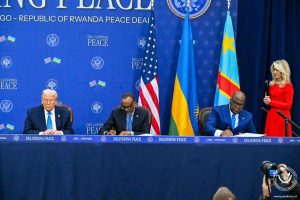
We have witnessed a series of diplomatic missions in search of peace in the Democratic Republic of the Congo, led by mediators from Qatar and the United States. Frankly, we welcome these efforts. However, as sons of Kivu and close observers of Congolese politics, we must ask ourselves—and encourage all Congolese people, wherever they may be, to do the same: Will these initiatives truly lead to a lasting and sustainable resolution to the recurring political and security crises in our country?
To answer this question, we must first identify the root causes of Congo’s chronic instability, including:
• The absence of effective state authority;
• The erosion of freedom and the democratic climate;
• Identity crises and the stigmatization of Rwandophone communities;
• Rampant misgovernance;
• The lack of political will to repatriate and protect Congolese refugees forced to live abroad due to insecurity;
• The controversial repatriation of FDLR elements;
• A deep legitimacy crisis;
• Systemic injustice;
• Unequal distribution of national wealth;
• Widespread corruption;
• And persistent impunity, among others.
This brings us back to the central question: Will the ongoing diplomatic mechanisms address and resolve these structural causes of instability? The answer remains doubtful.
It is equally important to acknowledge the international community’s share of responsibility, along with multinational corporations that continue to exploit Congo’s natural resources illegally and unethically.
That being said, we fear that the country is once again at risk of falling into a vicious cycle of violence. It is naïve to believe that by signing agreements with corrupt or irresponsible regimes, we can effectively address the real root causes of the crisis.
The path to a genuine and lasting peace must come from within Congo itself. It requires either an inclusive, honest national dialogue without taboos—or a true political revolution inspired by a new vision, a new ideology, and new leadership determined to eradicate the longstanding dysfunctions of our system.
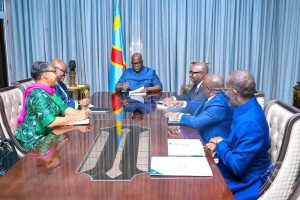
As for the current leadership in Kinshasa, embodied by President Félix Tshisekedi, we believe it deserves no credibility—not from the Congolese people, not from the United States, and not from the international community. This is not just a partisan opinion. One simply has to look at how the city of Kinshasa has been governed over the past seven years—no proper roads, not even near the presidential residence—while the country continues to make headlines for massive embezzlement of billions of dollars.
Any real agreement for lasting peace must be forged either by new, legitimate authorities born from a revolutionary renewal, or through a sincere Congolese dialogue that addresses all aspects of these repeated crises.
Rédaction
Related Posts